
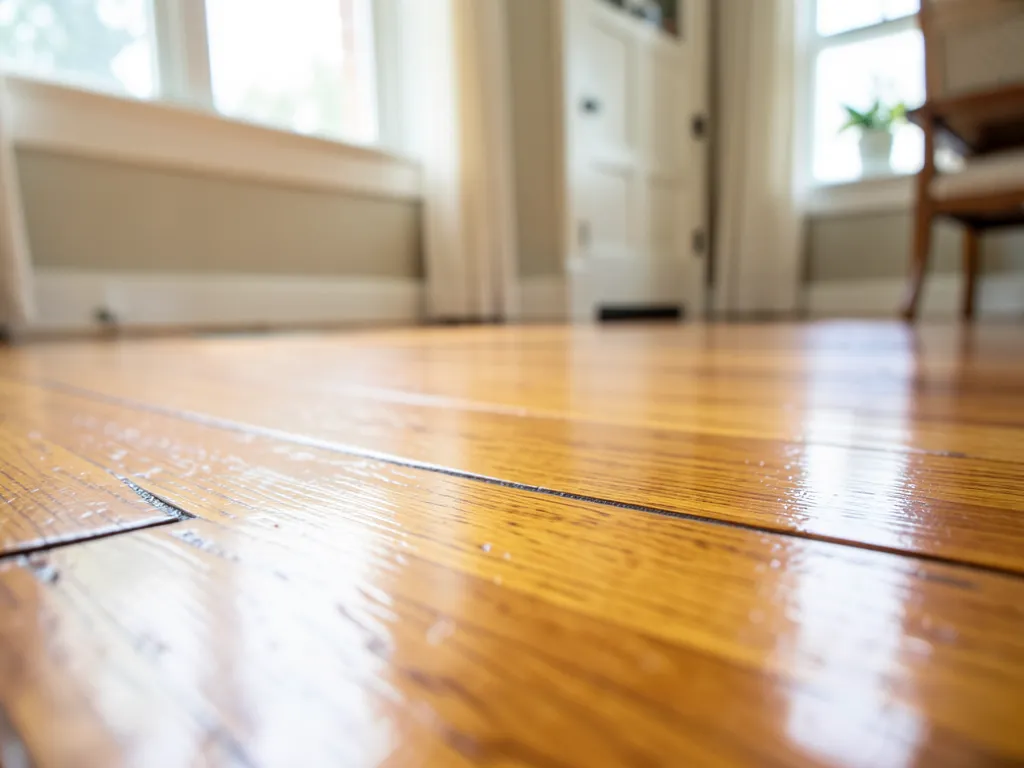
Professional Floor Sanding vs DIY in Charleston WV
If you own a home in Charleston, Huntington, Pikeville, or anywhere in between, you already know how much character original hardwood floors add to a space. You also know how quickly those floors can lose their luster after years of foot traffic, Appalachian humidity, and the occasional muddy paw print. When the finish starts looking tired, many homeowners start wondering the same thing: can I just rent a sander and handle this myself? The short answer is that you can try — but the gap between a passable DIY job and a truly professional one is wider than most people expect. At Bailey Floor Sanding, we have spent more than 30 years of combined experience watching that gap up close in homes and businesses from the Kanawha Valley to the Kentucky border.
Why Professional Floor Sanding Outperforms DIY in Charleston, WV and Pikeville, KY
Wood floor refinishing looks simple from a distance. You sand off the old finish, sweep up the dust, and roll on a new coat of stain and sealer. In reality, wood floor refinishing is one of the most equipment-intensive, detail-sensitive trades in home improvement. A single pass in the wrong direction, a drum sander that digs in too deep, or a finish applied during a humid June afternoon in Charleston can turn a weekend project into a multi-week headache that costs more to fix than a professional job would have cost from the start.
That is why so many homeowners in the East End Historic District of Charleston and along Ritter Park in Huntington eventually call in an expert. The floors in these older homes are often original — sometimes a century old — and they deserve more than a rushed experiment.
What DIY Floor Sanding Actually Involves
Before you decide to rent equipment and go it alone, it helps to understand the actual scope of the work. A proper refinish is not one step; it is a sequence, and each step depends on the one before it.
- Inspection and repair: Nail heads must be set, squeaks and loose boards secured, and any damaged boards replaced before sanding begins.
- Furniture and trim protection: Everything has to come out of the room, including fixtures and baseboard trim in many cases.
- Multi-stage sanding: Coarse grit to remove the old finish, progressively finer grits to smooth the surface, and edge and corner work with specialty tools.
- Gap filling and board replacement: Especially important in older Charleston and Pikeville homes where seasonal wood movement opens seams.
- Staining or natural sealing: Applied in controlled conditions with careful attention to lap marks and dry times.
- Multiple finish coats: Two to three coats, each sanded lightly between applications and each requiring a dust-free environment.
- Curing time: Often 24 to 72 hours of careful traffic management before the floor is truly ready for daily life.
That is a lot of variables. Each one is an opportunity for a mistake that shows up permanently on the floor.
The Learning Curve Is Steeper Than It Looks
Professional floor sanding is a skill built over years, not days. Understanding how a drum sander reacts to different wood species, how to feather edges so you cannot see where one pass ended and another began, and how to read a floor's moisture content before applying finish — these are instincts that come from repetition. Our team has refined those instincts across thousands of rooms in Charleston, South Charleston, Dunbar, St. Albans, Barboursville, Milton, and all the way down toward Pikeville and Prestonsburg. That experience is what keeps a floor looking uniform rather than wavy, blotchy, or unevenly sealed.
The Real Costs of DIY vs Professional Wood Floor Refinishing
Most people reach for the rental sander because of price. It is worth taking a clear-eyed look at what each approach actually costs once you factor in everything.
Where DIY Savings Disappear
- Equipment rental: Drum sanders, edge sanders, buffers, and vacuums often rent for daily rates that add up fast over a multi-day project.
- Consumables: Sanding discs, belts, pads, brushes, tape, and applicators are rarely included.
- Finish products: Quality stain and commercial-grade topcoats are expensive, and buying the wrong product means buying it twice.
- Chemical exposure: Many consumer-grade finishes have high VOC content and require serious ventilation, which is difficult in winter when you cannot open windows.
- Damage repair: Sanding too deep through the wear layer into the tongue-and-groove is a common and costly error. At that point, you may need hardwood floor repair rather than a simple refinish.
- Your time: A typical three-bedroom refinishing project can consume 40 to 60 hours of hands-on labor for an inexperienced homeowner.
Added together, a "cheap" DIY refinish frequently lands within shouting distance of a professional quote — and it carries far more risk.
What a Professional Refinishing Quote Includes
When you request a free estimate from Bailey Floor Sanding, you get a transparent breakdown of the work: preparation, sanding stages, repairs, materials, finish selection, and cleanup. You also get the peace of mind that comes with manufacturer warranties and a team that stands behind its results. Free estimates are available throughout our service area, from Cross Lanes and Ceredo to Coal Run Village and Jenkins.
Equipment Matters More Than Most Homeowners Realize
The difference between a rental sander and the equipment we bring to a job site is not just horsepower. It is dust control, surface consistency, and the ability to handle tricky areas like stair treads, thresholds, and the tight corners of an older home off Kanawha Boulevard.
Dust Containment: Protecting Your Home and Your Health
Traditional floor sanding is famously messy. Fine wood dust travels through an entire house, settles into vents, coats curtains, and lingers on every surface for weeks. Modern dust containment systems attach directly to the sanding equipment and capture the vast majority of particles at the source. If anyone in your household has asthma, allergies, or young children, this alone can justify hiring a professional.
Commercial-Grade and Eco-Friendly Finishes
We use commercial-grade finishes because they simply hold up longer under real-world conditions — heavy foot traffic, pet claws, spilled drinks, and the seasonal humidity swings that define life in the Ohio and Kanawha river valleys. We also prioritize environmentally responsible products that protect indoor air quality without sacrificing durability. To learn more about our full range of services, visit our services page.
How Appalachian Weather Complicates DIY Refinishing
This region has a climate that wood floors have opinions about. Summers bring high humidity and warm, damp air. Winters swing toward dry indoor conditions once the heat is running. That constant expansion and contraction opens gaps, creates cupping, and stresses finishes.
Timing a refinish around that cycle matters. Applying stain or sealer on a humid July day near Pikeville Cut-Through can trap moisture and lead to a cloudy, slow-curing finish. Applying it during a bone-dry January in Huntington can cause the wood to absorb finish unevenly. Professionals monitor temperature, relative humidity, and wood moisture content before a single coat goes down. That is one of the most overlooked reasons why expert floor sanding outperforms DIY in our region.
Seasonal Planning Tips for Local Homeowners
- Spring: Ideal for refinishing once heating season ends and humidity is still moderate.
- Summer: Work with a team that controls humidity and uses fast-curing finishes.
- Fall: Excellent window for refinishing before winter dryness sets in — popular in St. Albans and Dunbar.
- Winter: Add indoor humidity control and allow extra cure time. Emergency services are available if a pipe bursts or a floor is damaged.
Consistent maintenance also extends the life of a refinish. Our wood flooring maintenance program helps local homeowners keep their floors looking new between full refinishing cycles.
When DIY Makes Sense — and When It Does Not
There are a few situations where a careful homeowner can handle the work themselves: a single small closet, a low-traffic bedroom, or a floor that only needs a light screen-and-recoat rather than a full sanding. If you are simply refreshing a surface that is already in good shape, a screen-and-recoat is a reasonable project.
For anything beyond that — deep scratches, water staining, pet damage, cupping boards, or a floor that has never been refinished — the risk of a permanent mistake rises sharply. This is especially true in older homes where the wear layer has already been sanded thin by previous owners.
Signs It Is Time to Call a Professional
- Gray, dull patches that no amount of cleaning restores
- Deep scratches or gouges with visible raw wood
- Dark water stains, particularly near kitchens, bathrooms, and entryways
- Boards that creak, flex, or feel spongy underfoot — a possible sign that subfloor repair is needed first
- Cupping or crowning across multiple boards
- A finish that peels, flakes, or wears through in high-traffic lanes
If you are seeing two or more of these, a professional assessment is the smart next step.
What to Expect When You Work With Bailey Floor Sanding
We are a family-owned business, and that shapes how we work. You are not handed off to a rotating crew of subcontractors. You get a consistent team, clear communication, and a personal stake in the outcome.
Experience You Can Trust
With more than 30 years of combined experience, our team has handled everything from a single dining room in South Hills to full commercial build-outs. In 2024 we were recognized as one of the Top 40 Contractors Under 40 — an honor that reflects both craftsmanship and a genuine commitment to the trade.
Free Estimates, Warranties, and Emergency Availability
Every project starts with a free, no-obligation estimate. Manufacturer warranties are honored, so you know your investment is protected. Our weekday hours run 7:00 AM to 7:00 PM, weekends we are on call, and emergency service is available for urgent situations like burst pipes, storm damage, or a business that cannot afford downtime.
High-End Custom Designs
Beyond standard refinishing, we offer custom designs and specialty finishes you will not find from most contractors in the region. Inlays, borders, textured finishes, and unique color work can turn a floor into a focal point rather than just a surface. Explore our flooring specialties to see what is possible.
The Long-Term Value of Hiring an Expert
A professionally refinished floor does more than look better on day one. It lasts longer, wears more evenly, and holds its appearance through years of West Virginia and eastern Kentucky seasons. It also protects the value of your home. Buyers notice floors, and a well-maintained hardwood surface signals a well-cared-for property.
DIY is not a sin — but it is a gamble. When the alternative is a finish that can last a decade or more with proper care, the math usually favors doing it right the first time. If you have been staring at worn floors in Charleston, Huntington, Pikeville, or anywhere in the surrounding communities, we would be glad to take a look. Request your free estimate today, and let Bailey Floor Sanding restore the beauty that has been hiding under years of wear.


